Training & Team Development

Tailored Training & Team Development

Custom in-house training, team processes, and reflective supervision for communication, leadership, conflict, group dynamics, and professional reflection.

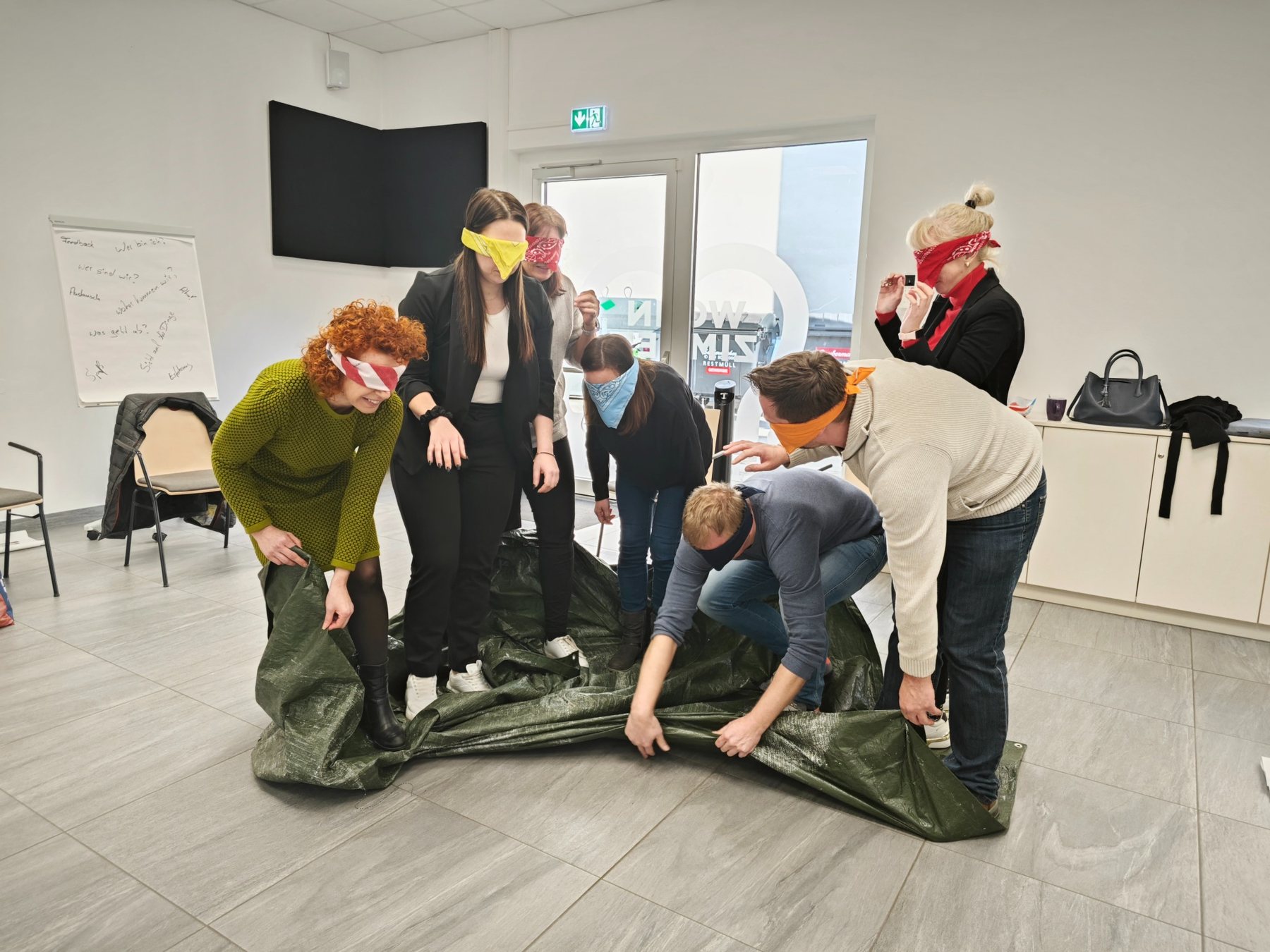
A group in an experiential team exercise
Tailored training & team development

For topics that need their own design.

Some development needs call for a focused, client-specific format: in-house training, a team process, or reflective supervision.

The starting point is the specific situation, the people involved, and the intended outcome in day-to-day work.

Typical starting points

When a topic label is not yet a workable brief.

A strong format does not begin with the label “communication training.” It begins with the question of what should be observably different afterward.

When communication becomes vague, overly cautious, or unnecessarily harsh.

We identify where understanding breaks down, which unspoken expectations are shaping the situation, and how conversations can become both clearer and more sustainable.

When roles and expectations no longer fit together.

Unclear responsibilities and conflicting expectations drain energy. The process brings roles, mandates, and decision rights into the open so they can be clarified and negotiated.

When conflicts keep returning to the same loop.

Rather than issuing another appeal, we examine patterns, interests, and escalation dynamics—and develop specific ways to interrupt them.

When a team needs to regroup after change.

After growth, turnover, or reorganization, collaboration often needs a new shared logic: what remains, what changes, and what can people rely on?

When leaders no longer want to postpone difficult conversations.

Preparation, mindset, and conversation structure become specific enough to turn diffuse discomfort into a conversation a leader can conduct.

When professionals need to reflect on cases, strain, and their own impact.

Reflective supervision creates distance, clarifies mandate and responsibility, and opens new options in complex professional situations.

Three ways of working together

Different challenges call for different ways of working.

The situation determines not only the topic, but also the right way of working: focused training, a shared team process, or professional reflection.

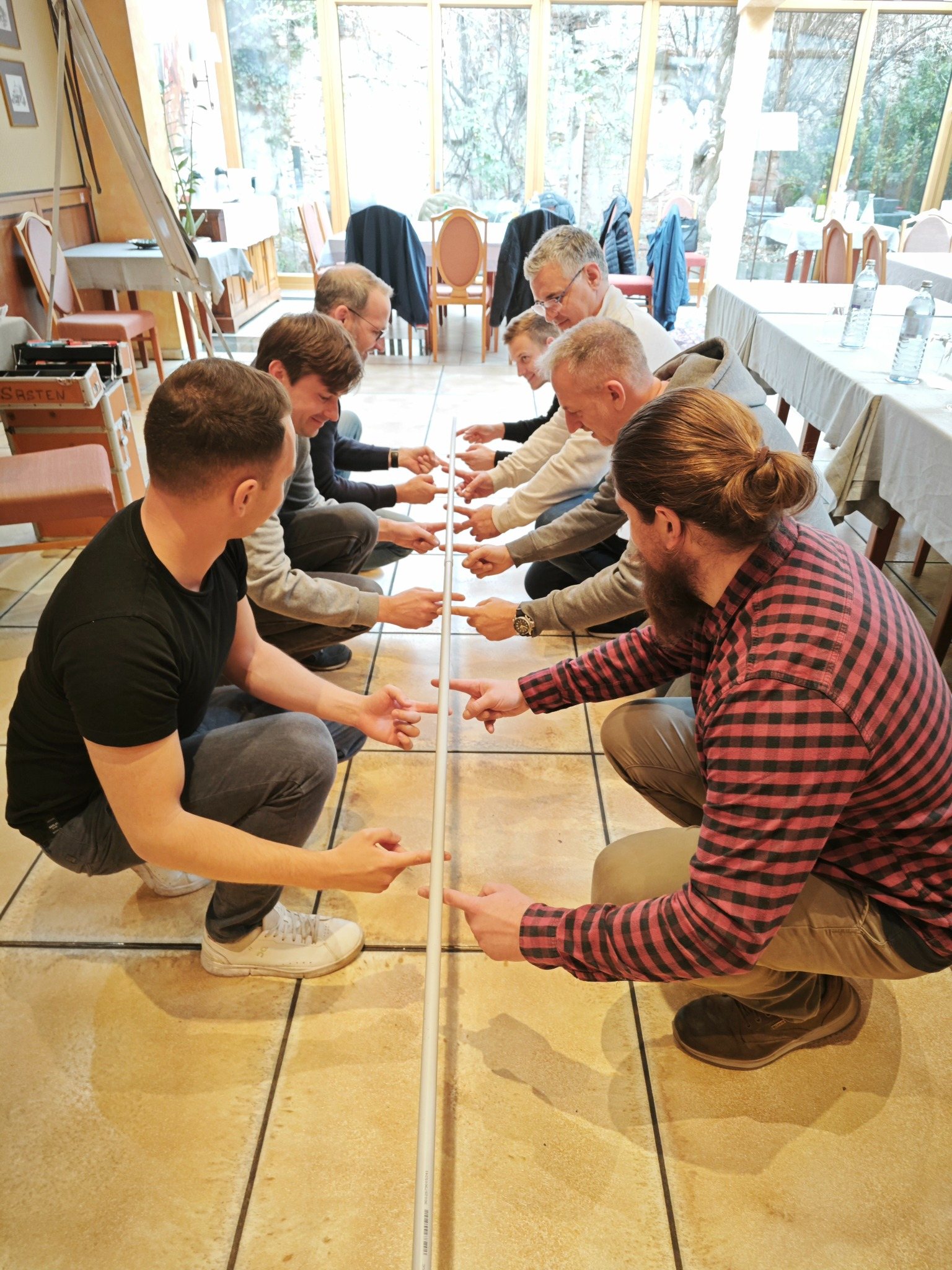
People coordinating a shared team task
01 · Training

When people need to build practical skills.

For communication, leadership, conflict skills, and personal effectiveness—using real situations rather than generic cases.

Conversation skills & feedback

Conversations become more useful when observation, impact, expectation, and next step are clearly separated. We work on language, mindset, and a conversation structure that does not sacrifice the relationship for the sake of clarity.

Difficult conversations & resistance

Resistance is rarely mere stubbornness. We examine interests, fears, and protective moves—and prepare conversations so leadership neither avoids the issue nor escalates it unnecessarily.

Conflict dynamics & resolution

Conflict becomes workable when patterns, escalation, and the actual levels of disagreement are visible. The goal is not artificial harmony, but collaboration that can function again.

Leadership, roles & self-leadership

Leadership becomes clearer when mandate, role, decision rights, and personal impact are considered together. That creates orientation for the leader and for everyone else.

Personal effectiveness

Presence is not the same as volume. We explore how mindset, language, timing, and behavior affect others—and how people can use their own style more deliberately.
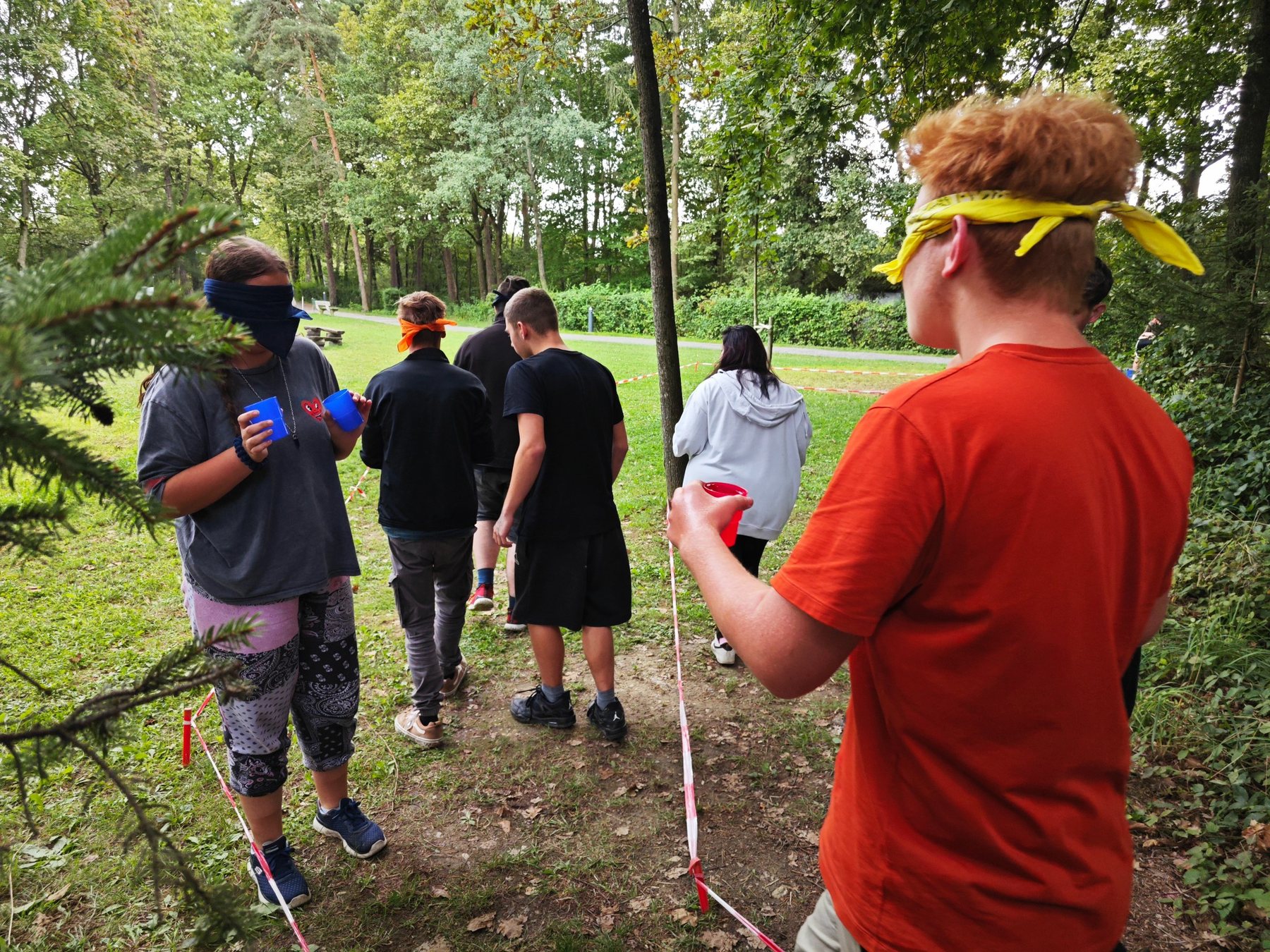
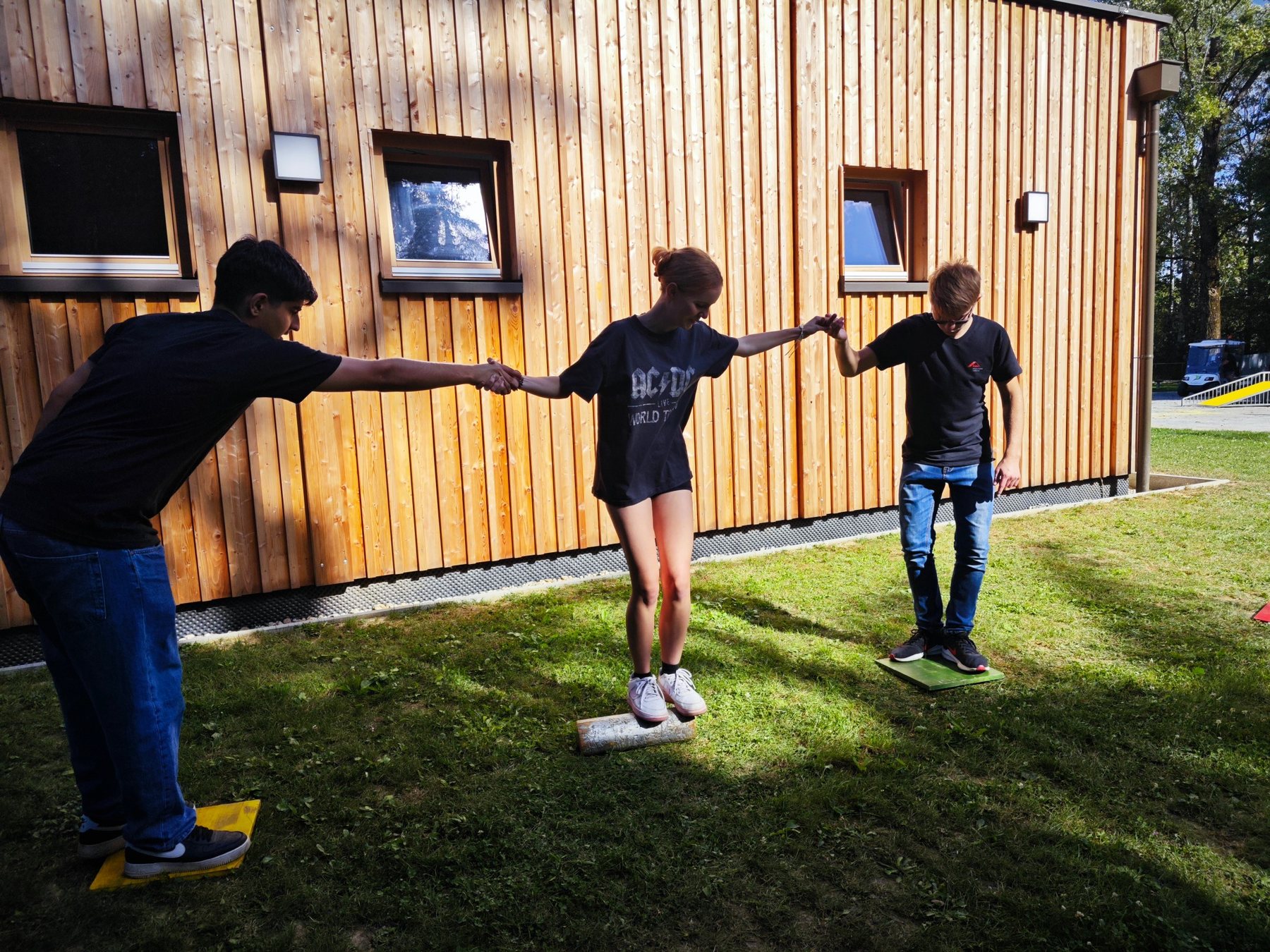
A team working together on an outdoor orientation task
02 · Team Development

When a group needs to work together more effectively.

For roles, collaboration, group dynamics, and shared direction—with a clear link to everyday work.

Team development & offsites

A team day becomes useful when it starts from a real working question. We connect shared experience with role clarity, decisions, and specific agreements.

Roles, expectations & collaboration

The problem is often not goodwill, but conflicting assumptions about who should deliver, decide, or step in. We make those expectations visible and negotiable.

Group dynamics & informal patterns

Alongside the formal structure, groups develop patterns of influence, closeness, resistance, belonging, and outsider roles. Once these dynamics can be understood, they no longer have to be simply endured.

Working together after change

After growth, turnover, or reorganization, new boxes on a chart are not enough. Groups need a shared picture of how collaboration is now meant to work in practice.

Team building with real-world relevance

Exercises can be enjoyable. What matters is connecting the experience back to everyday work so it does not end as a pleasant but inconsequential team day.

A group reflecting on collaboration through an outdoor exercise
03 · Supervision & Case Work

When professional work needs a second look.

For teams and leaders reflecting on cases, pressure, roles, and their own impact.

Team & case supervision

Real cases are examined from multiple perspectives. We separate observation, interpretation, mandate, and personal involvement—and develop new options for action.

Leadership supervision

Leaders gain a protected space to sort decisions, relationships, loyalties, and personal patterns before pressure turns into premature action.

Role & mandate clarification

In complex human-services settings, mandate, responsibility, and authority are often misaligned. Reflective supervision helps clarify boundaries and available options.

Demanding work situations

Pressure is neither reduced to the individual nor dramatized. We examine the case, the system, team dynamics, and personal responses together—with the aim of reducing strain and strengthening professional judgment.

Social, education & healthcare settings

Professional mandate, relationship, institution, and personal involvement intersect especially closely here. The work respects that complexity instead of offering simple recipes.

Learning in motion

Reflection turns experience into learning that carries over to work.

Exercises are not an end in themselves. They make dynamics and patterns visible and create shared language for what is otherwise difficult to grasp in day-to-day work.

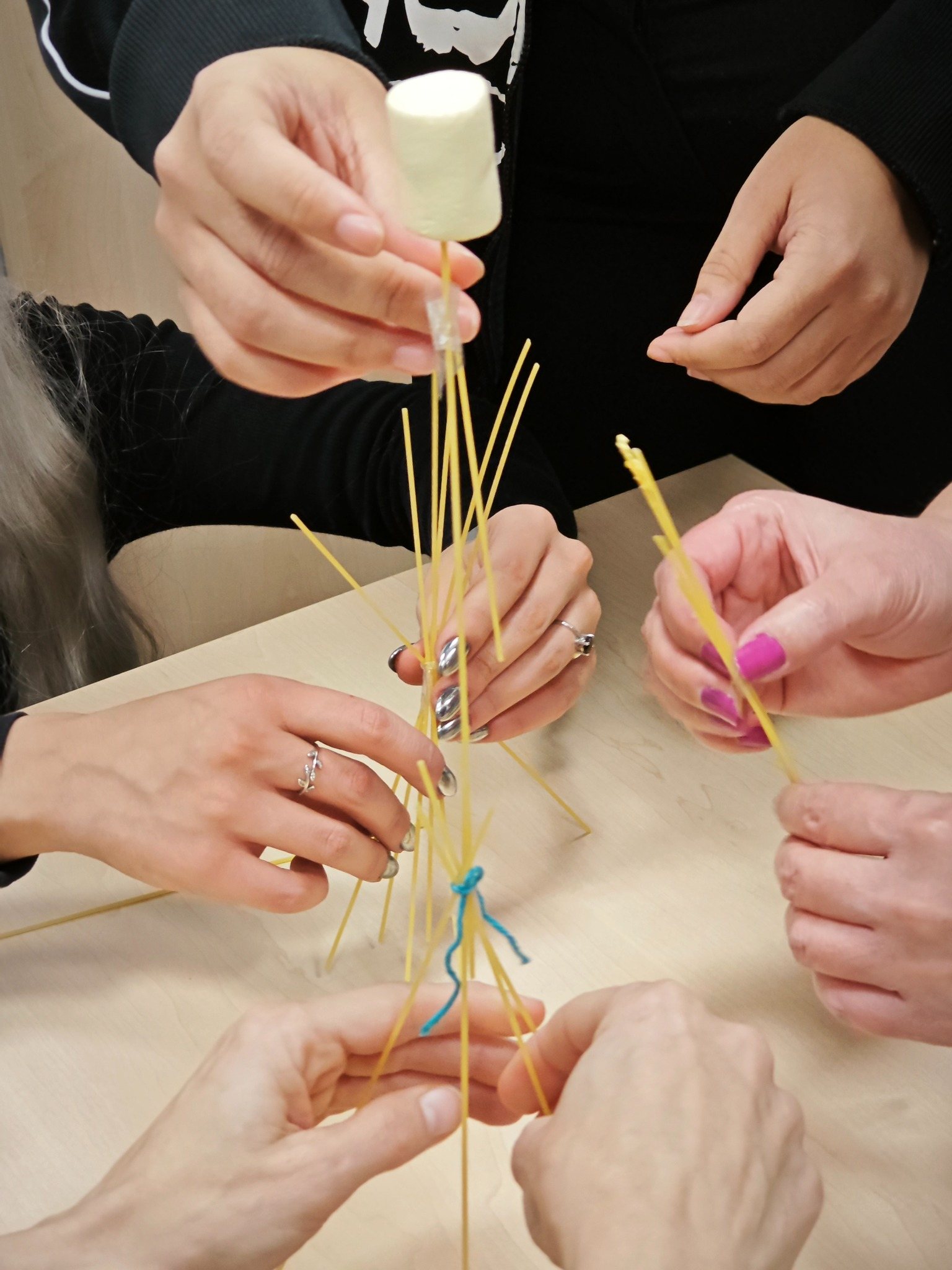
Hands working together on a cooperative construction task

What should be different after the work?

A few lines about the situation, the people involved, and the intended outcome are enough to start.

Discuss your situation
CallWhatsApp